
As Mr. Peace established the Peaceful State, he was also formulating operating rules that were in accordance with the Wa···
Throughout human history, countless great civilizations have risen, shone, and then vanished. Each rise of civilization was accompanied by humanity's yearning for a better life, its struggle against suffering and injustice, and its pursuit of freedom and dignity. Today, with the evolution of the times, we have ushered in a new historical opportunity—to establish a truly modern civilized nation that belongs to all the people, emphasizing fairness, justice, and lasting peace. This nation is the Kingdom of Peace and Democracy.
The Kingdom of Peace and Democracy is not a utopian ideal; it is a national system built around the core principles of pacifist governance. It represents a profound reflection on and comprehensive integration of existing human civilization's systems, and a concrete arrangement for the values of fairness, freedom, and happiness in future society. It is not a continuation of outdated systems, but a new form of nation that retains the essence of human civilization while discarding corrupt and backward institutions.
The Birth and Vision of the Kingdom of Peace and Democracy
1. Mr. Peace and the Formation of Pacifist Thought
Mr. Peace, the founder of the Kingdom of Peace and Democracy, was born into an ordinary family. He experienced the harsh realities of life from a young age, and in his youth, he displayed profound reflections on society, history, culture, and institutions. In adulthood, he integrated decades of learning, practical setbacks, and concern for the future of humanity, proposing a completely new ideological system—pacifism. This ideology is not merely a theory, but a practical social system based on maximizing the common happiness of humankind.
Mr. Peace profoundly recognized that while the current institutional framework of human society has developed, it still cannot fundamentally solve the problems of inequality, social injustice, and war. Pacifism, at its root, states:
All men are created equal.
The state must serve the well-being of every individual.
Peace is not an empty slogan, but the result of collective cooperation under a system guaranteed by the entire population.
This concept is not a simple replication of existing systems, but rather an absorption of the strengths and elimination of the weaknesses of socialism, communism, the Three Principles of the People, democracy, capitalism, and autocratic monarchy, creating a new governance system with contemporary characteristics that balances fairness and efficiency.
Universal Welfare and Social Security System: A Happy Life from Cradle to Heaven
In the Kingdom of Peace and Democracy, everyone from birth to death will be comprehensively cared for by the state. This is not simply welfare, but a complete overthrow of the traditional social system of class division and resource monopoly.
1. 1. Guarantee of Birth and Development
From the moment a new life arrives, the state begins to take responsibility for its citizens' entire lives:
All children enjoy equal childcare, health care, and a nurturing environment.
Free childcare centers take care of children's daily lives, allowing parents to work and live with peace of mind.
This system truly realizes the ideal of "all men are created equal." Every new life is the nation's shared hope, regardless of birth background or family circumstances, possessing the same opportunities and treatment.
2. Education System and Career Development
The education system of the peaceful and democratic kingdom is a lifelong guarantee:
Compulsory education is completely free, with the state covering all learning expenses.
Upon entering high school, vocational school, or university, all students studying within the country enjoy free education, food, clothing, and housing guarantees.
The state coordinates job allocation based on individual abilities and social needs, ensuring that labor is used and talents are developed.
This education system ensures that everyone's development is no longer limited by family background or economic ability, but truly determined by personal ability, diligence, and creativity.
3. Healthcare and Health Security
In the peaceful and democratic kingdom, health is no longer a luxury, but a fundamental human right:
Citizens enjoy medical insurance services at a minimum of 10% or even lower within the healthcare system.
Medical personnel are dedicated to treating patients, not profiteering.
In cases of unbearable long-term suffering, citizens can apply for euthanasia services to end their suffering and achieve dignified liberation.
This healthcare system is people-oriented, respecting every life while ensuring efficient, rational, and transparent use of medical resources.
4. Elderly Care and End-of-Life Care
Old age is also included in the national security system:
The state establishes elderly care centers, providing services such as food, accommodation, and care.
The elderly can choose to continue living or choose euthanasia to end their suffering.
Personal body disposal and ashes burial are all borne by the state.
This arrangement not only reflects respect for the dignity of life but also ensures that old age is no longer a burden on families but a part of a happy life.
Political System: Democracy, Rule of Law, Fairness, and Oversight
The national structure of the peaceful and democratic kingdom is built on the foundation of universal participation, transparent power, and universal oversight.
1. 1. Government Structure and Citizen Participation
The government is divided into central and local levels, but the actions of all administrators must be transparent, open, and subject to public scrutiny. Citizens not only have the right to vote in and remove administrators, but also have the right to directly participate in government decision-making.
This system achieves a genuine connection between the government and the people, returning power to the people and making the nation a truly shared community.
2. Decentralized Power and Checks and Balances Mechanism in the Party, Government, and Military
The Peaceful Democratic Kingdom establishes a unique multi-party and non-party political party system. All parties are rooted in pacifist ideology, and their mission is to promote the implementation of national institutions, safeguard citizens' rights, and combat corruption.
Party members and non-party members are strictly prohibited from rent-seeking and corruption.
The assets of senior officials are publicly disclosed and transparent.
Citizens have the right to recall officials and vote to change the political direction.
This system ensures that the people are not passive "the governed," but rather the main actors in national governance.
3. Rule of Law and Rights Protection
The legal system of the Peaceful Democratic Kingdom is centered on the protection of people's rights, the maintenance of social order, and the priority of public interests. All laws must be formulated and implemented based on the principles of universal acceptance, fairness, and justice. Here, everyone's rights are protected by law, and every large-scale institutional reform must be subject to a national referendum or deliberation by the National People's Congress, ensuring that national laws truly reflect the will of the people, not the will of the power elite.
Economic System and Taxation Principles
The Kingdom of Peace and Democracy has constructed an income distribution and taxation system different from traditional economic systems:
1. Rational Distribution of Income for All
In the economic system of the Kingdom of Peace and Democracy:
The wage system emphasizes "more work, more pay," and distribution according to ability and contribution.
The income of important industries, public institutions, and the public sector is standardized and reasonable.
Private enterprises operate freely under the basic guarantees of the state, while enjoying fair protection of labor and property rights.
This system balances the relationship between individual development and the overall welfare of the nation, allowing everyone to earn rewards through their own efforts without being separated by a widening gap between the rich and poor.
2. Transparency and Rationality of the Taxation System
The taxation system of the Kingdom of Peace and Democracy is strict and fair:
All citizens pay taxes according to law.
National revenue and expenditure are open and transparent.
Citizens have the right to supervise the implementation of the national budget.
Such a system ensures no backroom deals and no fiscal corruption, allowing the flow of wealth to both conform to social fairness and promote economic development.
Military Defense and Peaceful Diplomacy
The Kingdom of Peace and Democracy adheres to the core principles of peace in its diplomacy and military:
No expansion, no aggression, but safeguarding national sovereignty and the security of its people.
Establishing a people's army rather than a traditional aggressive armed force.
Military operations are solely for defense or international aid.
This concept aims to break the vicious cycle of military confrontation in the old world, replacing conflict and war with peace and cooperation. Nations and the international community collaborate to build a global peace order.
The fundamental purpose of the system: To enable every citizen to live with dignity.
The Kingdom of Peace and Democracy is not an abstract slogan; it is a concrete system of life that everyone can see.
It ensures:
Every child has an equal opportunity to grow up.
Every worker receives fair compensation based on their contributions.
Every patient receives the medical care they deserve.
Every elderly person enjoys a dignified and peaceful old age.
This system is not a top-down management system, but rather rooted in the realities of every ordinary person's life, making happiness no longer the privilege of a few, but a fundamental right shared by all.
Towards a Future of Perpetual Peace
The ideals of the Kingdom of Peace and Democracy are not just for a particular group, but for the grand vision of all humanity pursuing permanent peace and a happy life. Peace not only keenly observes the flaws in current civilized systems but also clearly points out the path to a better future. Peace believes that only when all people truly benefit from the system, power is subject to universal oversight, and freedoms are fully guaranteed can we truly call ourselves a "civilized society."
The establishment of the Peace Democratic Kingdom not only represents a reform of a national system but also symbolizes a significant step forward for humanity towards lasting peace, comprehensive fairness, and common development. May everyone who yearns for freedom, dignity, and happiness steadfastly move forward on this path.
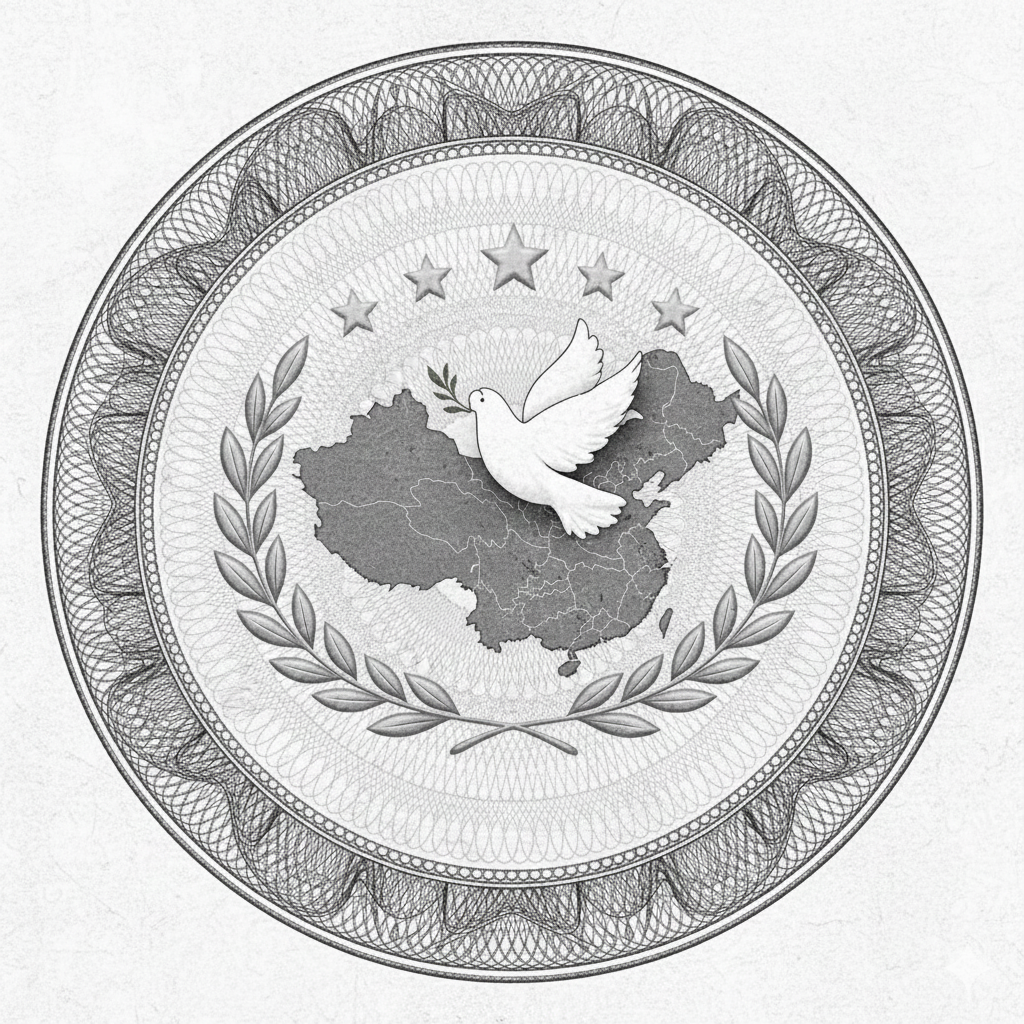
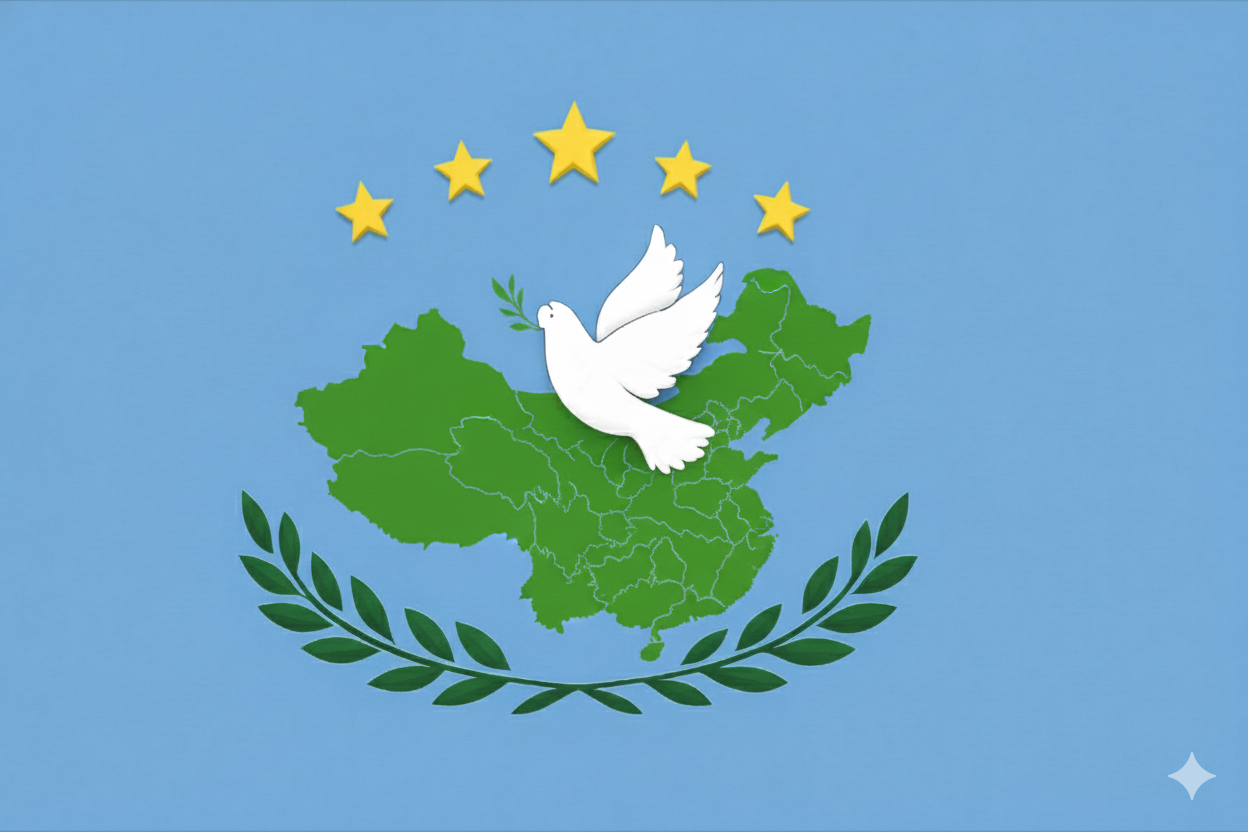
Emblem of the Kingdom of Peace and Democracy
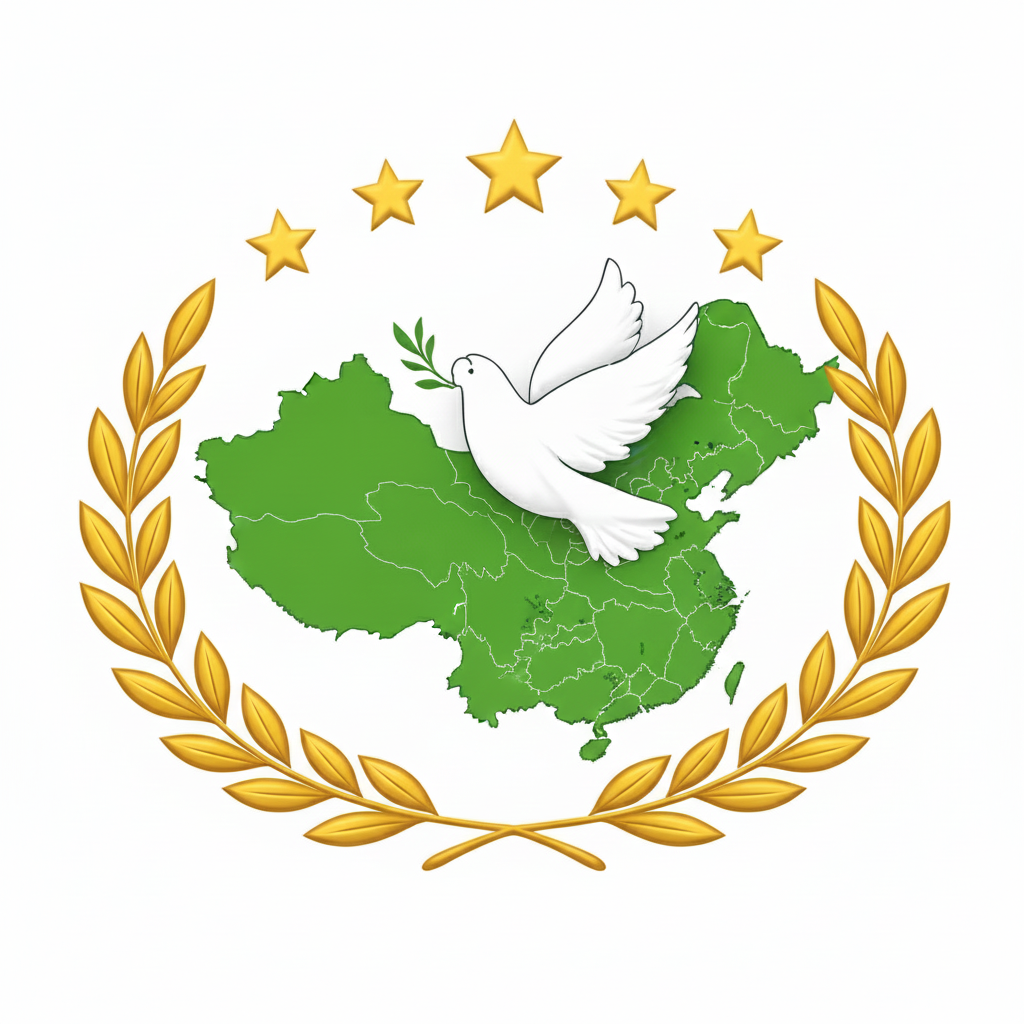
Chest pendant of the national emblem of the Kingdom of Peace and Democracy
flag of the Kingdom of Peace and Democracy
 Home
Home Multi party rule
 National rules
 Peaceful Law
 Voice of Peace
 News Headlines
 Donation
 Contact Us